Loading

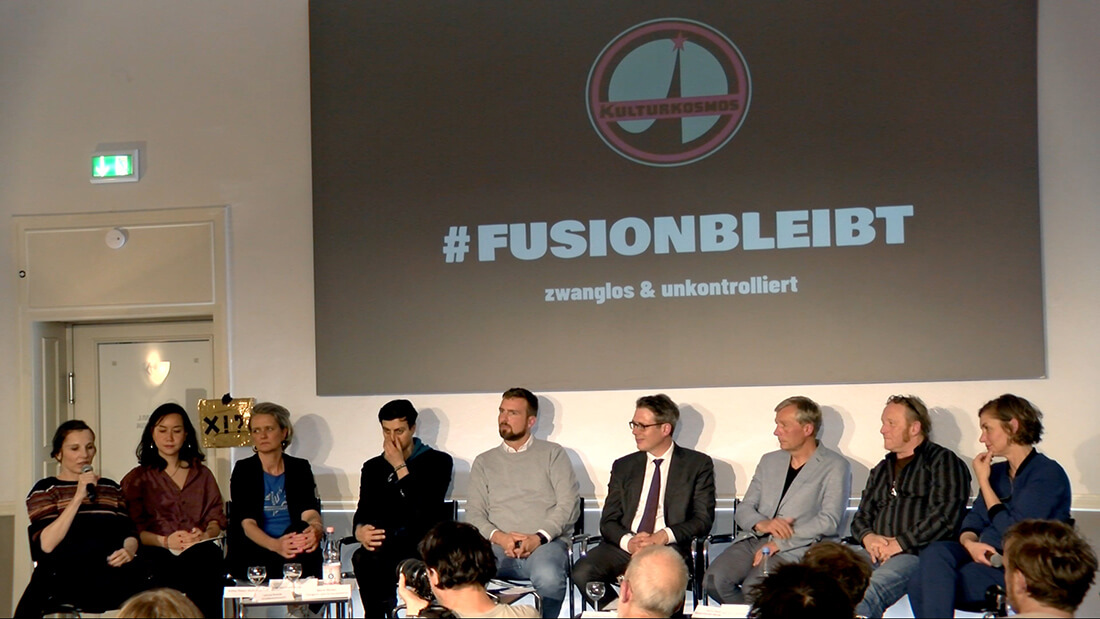
Im Folgenden findet ihr fünf kurze Videoclips, die sich mit dem Kampf gegen die „Anlasslose Bestreifung“ auf dem Fusiongelände auseinandersetzen und Einblicke in wichtige Momente des Konfliktes bieten.
Wenn mensch hinter die Kulissen des Fusion-Festivals schaut, zeigt sich der Kulturkosmos – ein schillerndes Gemeinschaftswerk unterschiedlichster Akteur*innen. Wir starten hier mit einer multimedialen Dokumentation über den Verein, welche im Herzen aus einer mehrteiligen Filmreihe und einem Bonusbereich besteht.
Unser Anliegen ist es, Einblicke in das Engagement, die Hintergründe und die Zusammenhänge des Vereins zu ermöglichen und Dich an der Vielstimmigkeit des Kulturkosmos teilhaben zu lassen.
Wir beginnen mit der Premiere des ersten Films und während Ihr Euch diesen anschaut, basteln wir schon am zweiten Teil.
Unsere Filmreihe handelt von aktiven Menschen, von Selbstbestimmung und Selbermachen. Wie wollen wir leben? Was ist wirklich wichtig? Was auf den ersten Blick als Festival erscheint, entwickelt sich vielleicht in seiner Tiefe zu einem Modellversuch einer gesellschaftlichen Utopie.
Zu ausgewählten Themen greifen wir in mehreren filmischen Kapiteln einzelne Aspekte dieser bunten Welt des Kulturkosmos heraus. Wir zeigen die Anfänge einer Bewegung, ihren Geist und ihre Entwicklung im Takt von Rhythmus und Veränderung. Menschen, die ihre Träume in die Realität hinübertragen und dabei auch stolpern, in Konflikte geraten und von Widersprüchen herausgefordert werden. Menschen, die sich in einer selbst gewählten Arbeitswelt bewegen und sie aktiv gestalten.
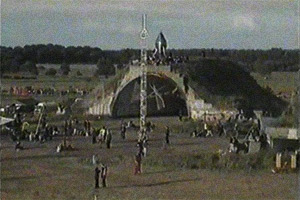
Neben dem Hauptfilm gibt es einen Bonusbereich. Dies ist ein Ort mit Relikten aus unserem Archiv, wo Du Dich in Momente des Geschehens auf dem Flugplatz vertiefen kannst. Hier findest Du zum Beispiel Fotostrecken vom Gelände und den Hangars vor unserer Zeit, der ersten Fusion und einen filmischen Zusammenschnitt des Festivals aus dem Jahr '98. Der Bonusbereich wird mit jedem kommenden Kapitel erweitert und auch in der nächsten Zeit neue Inhalte erhalten.
Unseren Bonusbereich erreichst Du über zwei Wege.

Zum Einen über den Film. Darin erscheinen temporär diese Symbole, über welche Du zur Ansicht von Details gelangst, die im Film thematisiert werden.

Unsere gesammelten Zeitzeugnisse kannst Du auch unabhängig vom Film anschauen, indem Du direkt über diesen Button den Bonus-Bereich betrittst.
Wir suchen weiterhin Bild- und Tonaufnahmen aus den Anfangszeiten von U-Site und dem Kulturkosmos und freuen uns über Eure Mithilfe. Schickt uns gerne Eurer Material, damit wir es in unser Archiv aufnehmen und allen zugänglich machen können. Nehmt Kontakt mit uns auf!
Per Post an:
Kulturkosmos Müritz e.V.
Flugplatz
17248 Lärz
Per Mail an:
Philipp und Anni,
dokucrew(ät)kulturkosmos.de
Alles braucht einen Funken, den Impuls des Beginns. Im ersten Teil der Doku-Reihe gehen wir zurück zu den Anfängen des Kulturkosmos. Wie kommt mensch auf die Idee, sein Leben der Partyorganisation zu widmen? Wer waren die Akteuer*innen? In welchem zeitgeistigen Kontext bewegten sie sich? Welches Verständnis von „Party“ trägt sie immer weiter und weshalb sind Parties gesellschaftlich relevant? Nach dem Durchforsten des Archives und Gesprächen mit Zeitzeug*innen ist eine filmische Dokumentation über 40 Minuten entstanden, die sich um die Entstehungsgeschichte einer Bewegung vor rund 20 Jahren dreht.
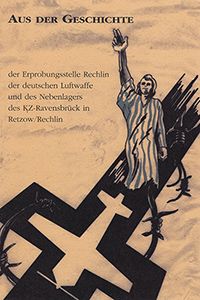
Das Bonusmaterial enthält ein Buch über die frühe, dunkle Geschichte des Flugplatzes Lärz. Es ist die Geschichte der Erprobungsstelle der Reichsluftwaffe in Rechlin und des Nebenlagers des KZ Ravensbrück in Retzow. Eine interessante Lektüre, erarbeitet in den 90ern vom Bund der Antifaschisten in Röbel/Müritz.
Das Kleingedruckte. Unserer Auswahl des Archivmaterials liegen dokumentarische Ansprüche und die Bemühung um eine erzählerische Breite und Tiefe mit einer Prise subjektiven Empfindens zugrunde. Dies ist die einzige „Zensur“.
Die Ankunft der Kulturkosmonaut*innen auf dem Flugplatz an der Müritz wirft neue Fragen rund um das Sich-Niederlassen und in Kontakttreten mit einem neuen Ort und seinen Menschen auf. Von den Freuden und Sorgen in der Region, von Investoren, Persönlichkeiten, Politik und Partyveranstalter*innen erzählt der zweite Teil. Der Film thematisiert, wie durch die Ansässigkeit des Vereins Freiräume für selbstbestimmte Lebensweisen entstehen, aber auch Konflikte mit den Anwohner*innen. Kontroverse Themen sind der mit der Fusion verbundene Drogenkonsum, die Lärmbelästigung oder das stetige Größenwachstum des Projektes. Verschiedene Konzepte „gelungener Regionalentwicklung“ und unterschiedliche Auffassungen eines „guten Lebens“ prallen aufeinander. Was sind die Ansätze, die in ländlichen Regionen, in denen das so oft beschriebene Problemnetz aus Abwanderung, Rechtsextremismus, hoher Arbeitslosigkeit, kultureller Ausdünnung in den Köpfen der Anwohner*innen eingeschrieben zu sein scheint, Impulse setzen? Was gibt es jenseits von dem erwünschten wirtschaftlichen Aufschwung, dem Ranking der Standortfaktoren für Ideen? Eines ist klar: Durch die Auseinandersetzung mit den Anwohner*innen und die lange Ansässigkeit des Kulturkosmos entstehen im Laufe der Zeit nicht nur Konflikte, sondern vor allem eine Vielzahl spannender Diskurse, langfristige Kooperationsbeziehungen und Freundschaften.
Laßt Euch überraschen.
In die jetzige Dokumentation fließt das Filmmaterial verschiedener Filmemacher*innen ein, die bereits in früheren Zeiten auf dem Gelände gedreht haben.
Die ersten Filmaufnahmen entstanden in den 90er Jahren durch Tom Schmatloch. Daraus hervorgegangen ist eine 20-minütige Collage aus Musik und Impressionen vom Fusion-Festival 1998, die kurzzeitig als VHS Kassette erhältlich war. Jetzt findet Ihr seinen Film im Bonusbereich des Kapitels „Geschichte“.
Die Regisseurin Youdid Kahveci, vormals bekannt als “Radieschen”, drehte in den Jahren 2005 und 2006 verschiedene Interviews und filmte mehrere Situationen auf dem Gelände. Sie verfolgte einen dokumentarischen Ansatz und ihre Mini-DV-Aufnahmen sind durch eine persönliche Nähe zu den Akteur*innen des Kulturkosmos geprägt. Youdid Kahvecis Arbeit legte damit den Grundstein für eine Dokumentation über den Kulturkosmos. Sie konnte ihr Vorhaben nicht beenden und überließ ihre Aufnahmen dem Kulturkosmosarchiv.
Im Jahr 2002 begann der Fotograf Christian „Krille“ Weidlich das Festival in Form von bewegten Fotos aufzunehmen. Sein Ansatz war ein experimenteller. Während des Festivals stellte er zwei bis drei Super-8-Kamaras auf dem Gelände auf und hielt das Geschehen im Zeitraffer fest. Das entstande Material entwickelte er zunächst analog und ließ es anschließend digitalisieren. Krilles Bestreben um einen Film ist begleitet von zahlreichen eigenartigen Katastrophen. Sein erster Rohschnitt aus dem Jahr 2009 konnte nie gezeigt werden.
2008 kam Johanna Ickert mit der Idee, einen Film über den Kulturkosmos zu machen, was nun nicht neu war. Doch etwas war ein wenig anders. Johanna hatte ihre Magisterarbeit über den Kulturkosmos geschrieben und anschließend ein Aufbaustudium zum Dokumentarfilm begonnen. Mit Philipp Meise an der Kamara und Rouven Karl am Mikrophon bildete sich ein Filmteam, das sich von 2009 - 2014 im studentischen Rahmen immer wieder auf dem Flugplatz blicken ließ und den dokumentarischen Ansatz von Youdid Kahveci weiterführte. In leicht variierenden Besetzungen filmten sie zu verschiedenen Themen in der Region und auf dem Platz.
Aus den technisch und inhaltlich unterschiedlichen Ansätzen entstanden erste Auswertungen und Rohschnitte, aber noch keine fertigen Filme. Die Auswertung des gesammelten Materials brachte uns auf die Idee einer stetig wachsenden multimedialen Dokumentation im Netz, in deren Rahmen nun auch die Aufnahmen dieser verschiedenen Filmemacher*innen zusammenkommen.
Wir bedanken uns sehr herzlich bei Youdid Kahveci, Christian Weidlich und Tom Schmatloch für ihre wundervollen und einzigartigen Aufnahmen. Das Projekt begleiten und begleiteten weitere tatkräftige Unterstützer*innen:
Michel Unger, Johannes Waltermann, Janis Brod, Philipp Wenning, Andreas Sohn, Azadeh Zandieh, Rouven Karl, Daniel Prossegger, Andy Muir, Paul Eisenach, Nils Vogel, Linus Nickel, Gerrit Hoffschulte, Markus Kleinloh, Udita Bhargava, Momas Schütze, Anni Behring und allen unbekannten Urheber*innen. Sie alle haben ehrenamtlich viel Zeit investiert und manche werden auch in Zukunft dieses Projekt nach ihren Möglichkeiten unterstützen und bereichern.
Filmmusik:
Intro, Track 1,2,4 © ∆Pi - mehr auf Soundcloud (https://soundcloud.com/delta_pi/sets/0rq9yzsszqve)
Track 3 © Psychic Warriors Of Gaia
Film Archivaufnahmen:
Super8 © Christian Weidlich
Mini-DV © Youdid Kahveci, Tom Schmatloch
Ausschnitte aus "MiG-29 über Deutschland"
© Sanssouci Film GmbH, Peter Gärtner
Foto Archivaufnahmen:
erste Fusion 1997 © Kai Mathesdorf
Warum veröffentlichen wir einen Film über uns?
Der technologische Fortschritt ermöglicht es inzwischen, dass wir dieses Werk auf unserer Webseite veröffentlichen und somit allen Interessierten zugänglich machen können.
Dies hat uns auch aus einem Dilemma geholfen. Anfangs, also vor sieben Jahren, hatten wir keinerlei Konsens über den Sinn oder die Notwendigkeit einer solchen Dokumentation. Die Angst vor einer ungewollten öffentlichen Wahrnehmung des Fusion Festivals und des damit befürchteten Anstiegs der Besucherzahlen ließ uns damals die Veröffentlichung eines Filmes als kontraproduktiv erscheinen. Doch auch ohne Film mussten wir die Problematik eines jährlich wachsenden Publikums in den vergangenen Jahren mittels restriktiver Maßnahmen und Zäunen in den Griff bekommen.
Nun hat uns die Differenzierung und die explizite Aufgabenstellung des Projekts, den Kulturkosmos und eben nicht das Fusion Festival zu dokumentieren, all die Jahre an dem Doku-Projekt festhalten lassen. Inzwischen halten wir es für wichtig und dem Interesse von Vielen entsprechend, über solch eine Dokumentation den Kulturkosmos transparent und unsere Ideen und Aktivitäten sowie unsere Geschichte für alle Interessierten erfahrbar und verifizierbar zu machen.
Der Umfang des Projektes ist mittlerweile so sehr gewachsen, dass nur noch eine intensive Auseinandersetzung und eine finanzielle Grundlage das Projekt sichern und diese 5-teilige Dokumentation ermöglichen können. Der Kulturkosmos hat sich anstelle einer Fremdfinanzierung dafür entschieden, die notwendige Infrastruktur und finanzielle Absicherung für die Entwicklung der Doku-Reihe zu gewährleisten.
Kulturkosmos Müritz e.V.
Flugplatz
17248 Lärz
mail@kulturkosmos.de
Bei Fragen rund um den Vorverkauf schreibt bitte an
tickets@fusion-festival.de
Telefonische Sprechstunde:
(nur Di. von 17.00h bis 20.00h)
Tel. +49 30 60984377
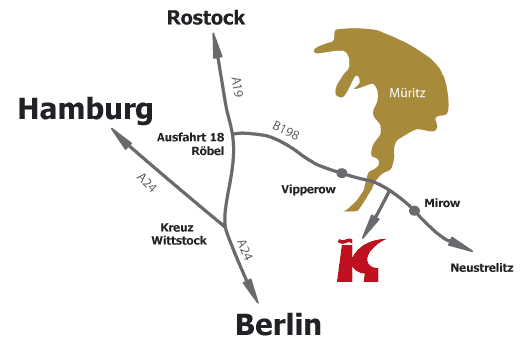
Der Kulturkosmos liegt ganz grob zwischen Hamburg und Berlin in der Müritz Seenplatte.
ANFAHRT MIT BAHN
Mit dem Interconnex oder der DB nach Neustrelitz, von dort weiter nach Mirow. Aus Berlin und Brandenburg ist das Brandenburgticket, aus Hamburg das Mecklenburg-Vorpommernticket eine günstige Wahl.
ANFAHRT MIT DEM AUTO
Aus Hamburg oder Berlin kommend: A24 bis Autobahnkreuz Wittstock, dort auf die A19 Richtung Rostock. Zweite Ausfahrt (Röbel / Nr. 18) raus. Rechts und der B198 Richtung Neustrelitz folgen (Achtung, Blitzer hinter dem Autohof und in Vipperow), durch die Ortschaften Vipperow und Vietzen. Nach Vietzen rechts zum Flugplatz Lärz, nach ca. 1 km ist links die Einfahrt auf das Gelände.
Kulturkosmos Müritz e.V.
Am Flugplatz
17248 Lärz
Vertretungsberechtigter Vorstand: Martin Eulenhaupt, (Anschrift wie oben),
Vereinsregister Waren, Registernummer: VR 164
Steuernummer: 27/670/60108
USt-ID: DE249602309
Inhaltlich Verantwortlicher gemäß § 55 Abs. 2 RStV: Max Weidling, (Anschrift wie oben)
Schnelle elektronische Kontaktmöglichkeit: mail@fusion-festival.de
Haftungshinweis: Trotz sorgfältiger inhaltlicher Kontrolle übernehmen wir keine Haftung für die Inhalte externer Links. Für den Inhalt der verlinkten Seiten sind ausschließlich deren Betreiber verantwortlich.
Datenschutzerklärung Version 5.0 vom 15.06.2022
Der Kulturkosmos e.V. ist sensibilisiert für den Schutz personenbezogener Daten sowie auch für Transparenz hinsichtlich der Datenverarbeitungen.
Mit dieser Datenschutzerklärung bieten wir alle notwendigen Hinweise für eine informierte Nutzung der Webseite im Hinblick auf die Verarbeitung von personenbezogenen Daten.
Für Datenverarbeitungen Verantwortlicher im Sinne der DS-GVO:
Kulturkosmos Müritz e.V.
Am Flugplatz
17248 Lärz
- vertreten durch den Vorstandsvorsitzenden Martin Eulenhaupt als Verantwortlicher -
Telefon: 030 69569788
E-Mail: dataprotection@kulturkosmos.de
Datenschutzbeauftragter
RA Hagen Richter
Kurfürstenstraße 23
10785 Berlin
E-Mail: dsb@rechtsanwalt-hagenrichter.de
Diese Webseite wird in unserem Auftrag betreut von:
//* Alle Wetter
Studio für Design und Development
Lorentzendamm 6–8
24103 Kiel
www.aw-studio.de
Der Webspace wird auf unseren eigenen Servern vorgehalten.
1. Sicherheit und Schutz der personenbezogenen Daten
Wir wahren die Vertraulichkeit der von Euch bereitgestellten personenbezogenen Daten und schützen diese vor unbefugten Zugriffen.
Sämtliche unserer Datenverarbeitungen unterliegen den Bestimmungen der europäischen Datenschutzgrundverordnung (DS-GVO), dem Telemediengesetzes (TMG), dem Gesetz über den Datenschutz und den Schutz der Privatsphäre in der Telekommunikation und bei Telemedien (TTDSG) und den Regelungen des Bundesdatenschutzgesetzes (BDSG).
Wir verarbeiten Daten nur, wenn dies gesetzlich erlaubt ist bzw. die Nutzer_Innen in die Datenerhebung ausdrücklich einwilligen.
Außerdem wenden wir große Sorgfalt und aktuelle Sicherheitsstandards an, um ein hohes Schutzniveau zu gewährleisten. Hierzu haben wir technische und organisatorische Maßnahmen getroffen, die sicherstellen, dass die Einhaltung der Vorschriften über den Datenschutz gewährleistet werden kann.
2. Rechte der betroffenen Person
Wenn wir mit Ihren personenbezogenen Daten umgehen, haben Sie folgende Rechte:
3. Widerspruchsrecht
Sie haben das Recht, aus Gründen, die sich aus Ihrer besonderen Situation ergeben, jederzeit gegen die Verarbeitung Ihrer betreffenden personenbezogenen Daten, die aufgrund von Art. 6 Absatz 1 lit. e oder lit. f DS-GVO erfolgt, Widerspruch gemäß Art. 21 Abs. 1 DS-GVO einzulegen; dies gilt auch für ein auf diese Bestimmungen gestütztes Profiling im Sinne von Art. 4 Nr. 4 DS-GVO. Wir verarbeiten die personenbezogenen Daten dann nicht mehr, es sei denn wir können zwingende, schutzwürdige Gründe für die Verarbeitung nachweisen, welche Ihre Interessen, Rechte und Freiheiten konkret überwiegen oder die Verarbeitung dient der Geltendmachung, Ausübung oder Verteidigung von Rechtsansprüchen. Möchten Sie von Ihrem Widerspruchsrecht Gebrauch machen, genügt eine E-Mail an dataprotection@kulturkosmos.de.
4. Datenverarbeitung bei Besuch unseres Angebots / HTTP-Requests
Bei der bloß informatorischen Nutzung der Anwendung, also wenn unser Angebot lediglich aufrufen und betrachten, erheben wir die folgenden personenbezogenen Daten, die Ihr Browser an unseren Server übermittelt:
Wir verarbeiten den HTTP-Request soweit er erforderlich ist, um unser Web-Angebot zu übermitteln. Dabei wird Ihre IP-Adresse als personenbezogenes Datum verarbeitet. Der Zweck der Datenverarbeitung liegt im Normalbetrieb in der Bereitstellung öffentlicher Information. Die Verarbeitung dieser Daten ist technisch erforderlich, um Ihnen unsere Website anzuzeigen und die Stabilität und Sicherheit zu gewährleisten. Die Rechtsgrundlage der Verarbeitung liegt in unserem überwiegenden berechtigten Interesse nach Art. 6 Abs. 1 lit. f DS-GVO. Die hierbei erhobenen personenbezogenen Daten werden regelmäßig spätestens nach 7 Tagen gelöscht, es sei denn es gibt eine gesetzliche Pflicht zur längeren Aufbewahrung.
Möchten Sie von Ihrem Widerspruchsrecht gemäß Art. 21 Abs. 1 DS-GVO Gebrauch machen, genügt eine E-Mail an dataprotection@kulturkosmos.de. Wir weisen aber ausdrücklich darauf hin, dass die IP-Adresse ohnehin nicht länger als 7 Tage verarbeitet und spätestens nach deren Ablauf gelöscht wird.
Unser Web-Angebot verwendet keine Cookies.
Zur Webseiten-Darstellung verwenden wir lediglich Local Storage (Protokoll, Host Name und Port Nummer), wobei hierbei nicht, wie bei Cookies üblich, mit jedem HTTP-Request Daten zum Server übertragen werden. Der Kulturkosmos-Webserver kann auch nicht direkt Daten im DOM Storage schreiben. Der Zugriff erfolgt ausschließlich über Skripte auf der Webseite.
5. Kontaktaufnahme
Bei einer Kontaktaufnahme mit uns per E-Mail werden die uns übermittelten personenbezogenen Daten ( E-Mail-Adresse, ggfls. Name und Telefonnummer, ggfls. inhaltliches Anliegen) für diese Kommunikation gespeichert.
Die in diesem Zusammenhang anfallenden Daten löschen wir, nachdem die Speicherung nicht mehr erforderlich ist, oder die Verarbeitung wird eingeschränkt, falls gesetzliche Aufbewahrungspflichten bzw. -rechte bestehen.
6. Booking Formular
Ihr habt die Möglichkeit Euch für Auftritte verschiedenster Art zu bewerben. Hierzu müsst Ihr das unter https://kulturkosmos.de/booking/ abrufbare Formular ausfüllen und Name, Anschrift, E-Mail-Adresse, Telefonnummer. Die hierbei erhobenen personenbezogenen Daten dienen der Anbahnung bzw. Durchführung eines Künstler_Innenvertrags und werden im Falle eines Engagements nach der Abwicklung, spätestens aber nach Ablauf der steuer- und handelsrechtlichen Aufbewahrungsfristen gelöscht. Die Rechtsgrundlage für die Datenverarbeitung ist Art. 6 Abs. 1 Satz 1 lit. b DS-GVO. Für den Fall, dass kein Engagement zustande kommt, werden die Daten gelöscht, nachdem die ablehnende Entscheidung, spätestens aber 3 Monate nach Beendigung des Festivals, gelöscht.
7. Newsletter
Mit Eurer Einwilligung könnt Ihr unseren Newsletter abonnieren, mit dem wir über aktuelle Themen des Kulturkosmos e.V. informieren.
Für die Anmeldung zu unserem Newsletter verwenden wir das sog. Double-Opt-in-Verfahren.
Das heißt, dass wir Euch nach Eurer Anmeldung eine E-Mail an die angegebene E-Mail-Adresse senden, in welcher wir um Bestätigung bitten, dass Ihr den Versand des Newsletters tatsächlich wünscht.
Wenn Ihr Eure Anmeldung nicht innerhalb von 24 Stunden bestätigt, werden Eure Informationen gesperrt und nach einem Monat automatisch gelöscht. Darüber hinaus speichern wir jeweils Eure eingesetzten IP-Adressen und Zeitpunkte der Anmeldung und Bestätigung. Zweck des Verfahrens ist, Eure Anmeldung nachweisen und ggf. einen möglichen Missbrauch Eurer persönlichen Daten aufklären zu können.
Meldet Ihr Euch beim Ticketkauf für den Newsletter an, entfällt das Double-Opt-In-Verfahren, da Eure Identität dann bereits anderweitig nachgewiesen ist.
Pflichtangabe für die Übersendung des Newsletters ist allein Eure E-Mail-Adresse. Die Angabe weiterer, nicht gesondert markierter Daten ist freiwillig und wird verwendet, um Euch persönlich ansprechen zu können. Nach Eurer Bestätigung speichern wir Eure E-Mail-Adresse zum Zweck der Zusendung des Newsletters. Rechtsgrundlage ist Art. 6 Abs. 1 S. 1 lit. a DS-GVO.
Eure Einwilligung in die Übersendung des Newsletters könnt Ihr jederzeit widerrufen und den Newsletter abbestellen. Den Widerruf könnt Ihr durch Klick auf den in jeder Newsletter-E-Mail bereitgestellten Link, über dieses Formular der Website (https://kulturkosmos.org/newsletter/austreten-unsubscribe.html), per E-Mail an mail@kulturkosmos.de oder durch eine Nachricht an die im Impressum angegebenen Kontaktdaten erklären.
8. Auftragsverarbeiter
Wir bedienen uns bei der Verarbeitung von personenbezogenen Daten auch externer Dienstleistungen (Auftragsverarbeitung). Mit den Dienstleistern wurde ein separater Auftragsverarbeitungvertrag geschlossen, um den Schutz Eurer personenbezogenen Daten durch diesen zu gewährleisten, indem sichergestellt wird, dass diese Anbieter den Datenschutz in gleicher Weise beachten wie wir es tun.
Bitte benutze ein Endgerät mit einer Bildschirmauflösung von mindestens 768 x 530 Pixeln, oder besuche die
Mobil-Version
unserer Info-Page





Social Media
Nebem dem Newsletter sind für die Zukunft öffentliche Bekanntmachungen unter @fusion_festival@mastodon.social und twitter.com/fusion_festival geplant